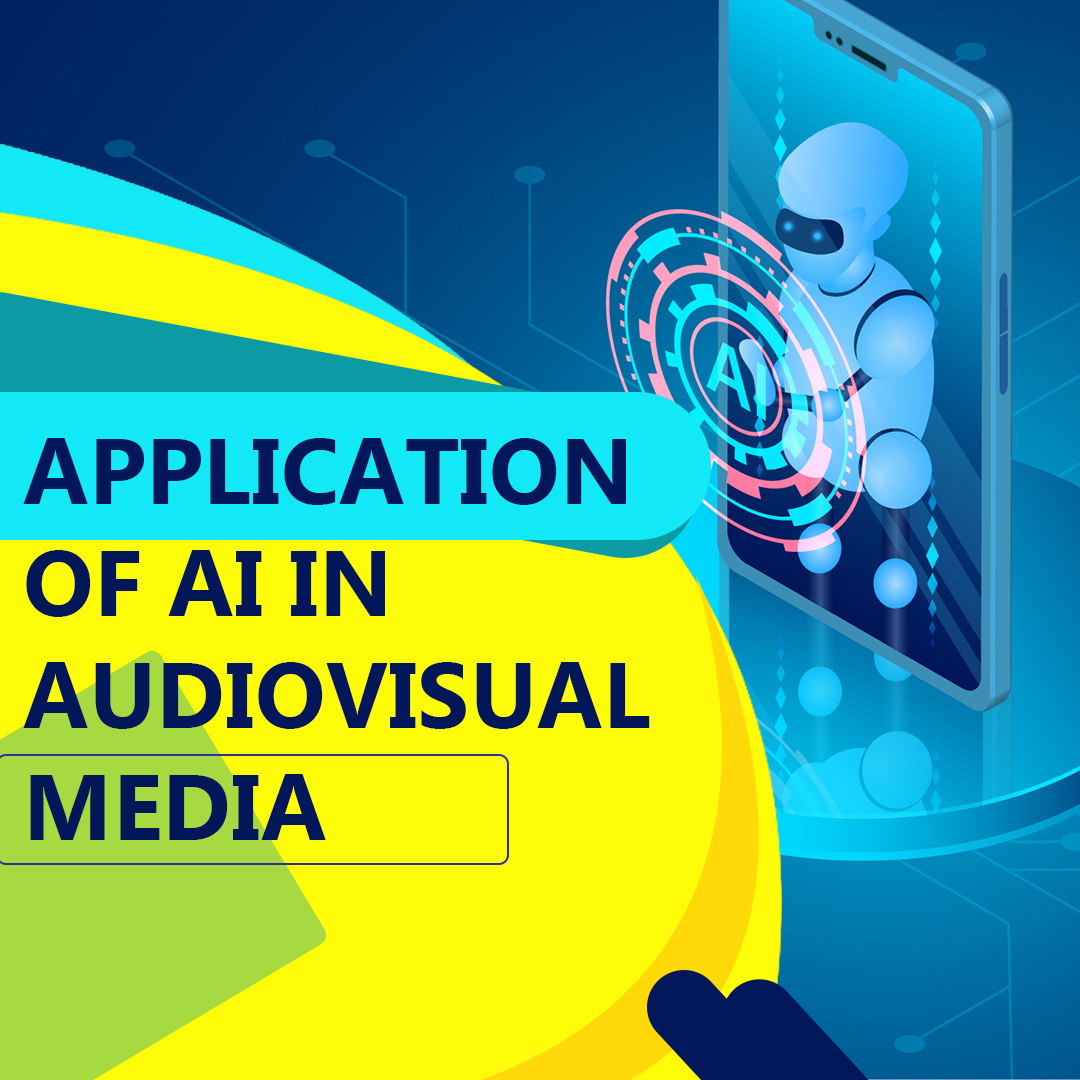
Artificial Intelligence (AI) and machine learning have implications for the media industry as a whole. In this article, we focus on audiovisual media. We examine how AI impacts viewers’ interest and how it is getting advanced. The balance between the two has inference suggestions on the diversity of the TV and film sector. This article reviews the current role and practices of AI in video and audio and the impact it creates on the viewers. AV technology has grown as sophisticated as other things on the IT network, but there prevail some fundamental usage challenges.
Critical points of how AI is impacting audiovisual media:
AI practice is swiftly expanding in media; it is commercial purposes are pretty clear, but further public stakeholders are working in developing and employing AI.
• Distribution is an essential component of the new business models; broadcasters must determine the dynamics of multi-platform distribution (utilizing audience information, publishing series, and programs, reactive scheduling, many more.)
• The two primary AI practices at present are recommending viewers and to target advertising.
• Adverse impacts of AI are known; it’s more and more related to data protection, freedom of expression, and social diversity, are exposed.
• Still, discussions on supervisory (rules and regulations’) requirements are underway.
• The principles of AI have a positive effect on the interviews. Though, ethical standards are complexed since following them is optional. Laws are based on autoregulation, and there are no enforceable fines for violating them.
AI has yielded new opportunities in the audiovisual media industry in a short span of time. Media companies are able to discover new opportunities to serve their spectators adequately and grow their services and the business side of media.





 Ash Mufareh